Home › Walkway and Pathway Paving
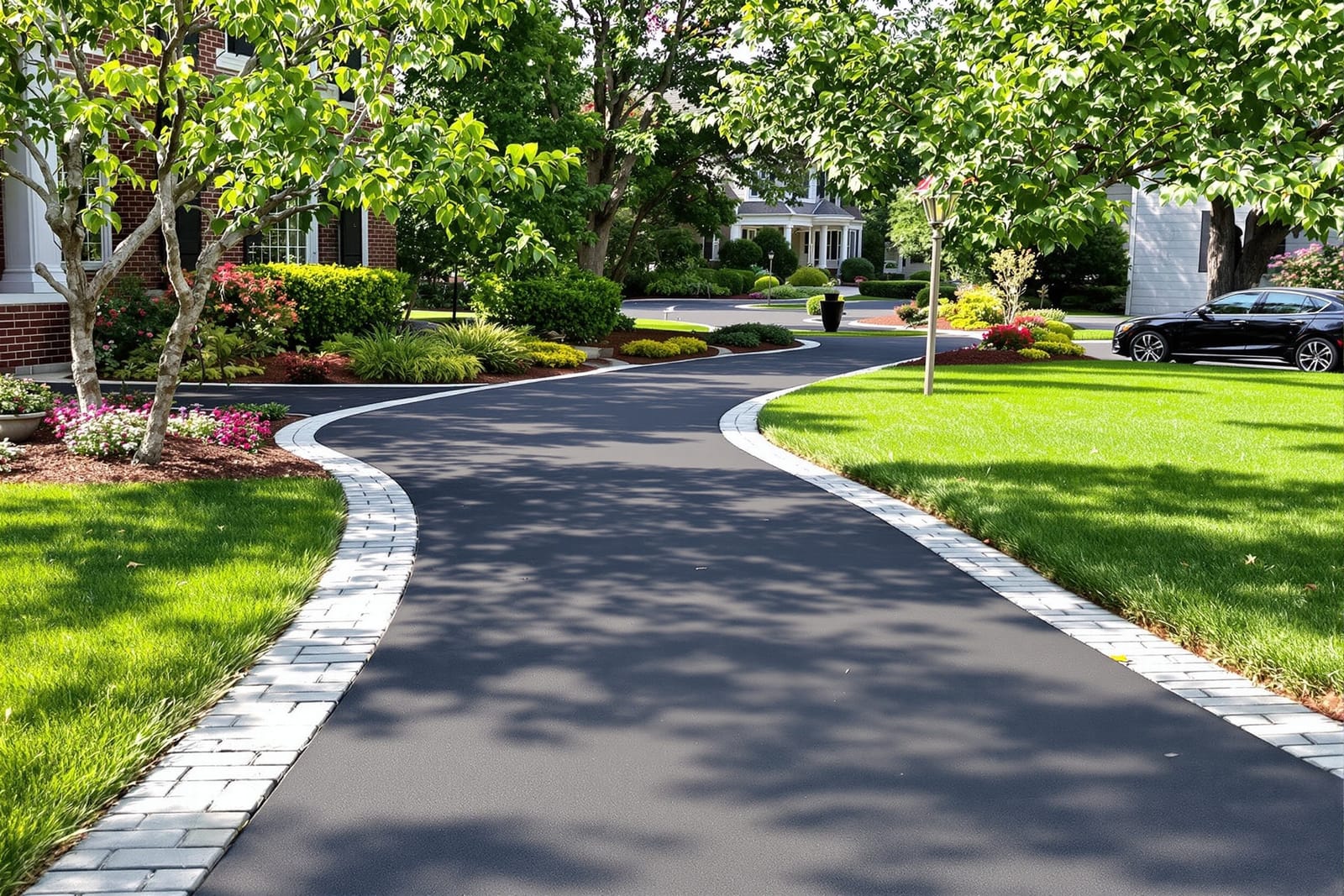
Precision Asphalt Austin designs and installs asphalt walkway paving in Austin, TX for residential properties of all sizes. From front walks to backyard paths, we create smooth, safe routes that blend with your landscaping. Our asphalt paths are low maintenance, durable, and ideal for foot traffic and light carts.
Precision Asphalt Austin provides professional asphalt walkway paving throughout Austin, TX, Texas and the surrounding area. Our licensed, insured crew delivers safe, clean, on-time work with a free estimate before anything begins. Call (737) 530-7711 or request your free quote.
Asphalt Walkways and Pathways Tailored to Austin Properties
Asphalt walkway paving is one of the easiest ways to clean up the look of your property and make it safer to get around. At Precision Asphalt Austin, we design and install walkways and pathways that fit how you actually use your space, whether that is a curved garden path in Tarrytown or a straightforward connection from driveway to front door in a South Austin bungalow.
Austin lots are not all the same. Older central neighborhoods may have mature trees and tight lot lines, while newer builds in Circle C or Easton Park often have long side yards and HOA guidelines. We look at how water currently moves across your property, where roots are likely to push up a path, and how sunlight hits the surface so you end up with a walkway that drains well, resists cracking, and stays comfortable underfoot.
From the first visit, we talk through who will be using the path. A narrow 3 foot walkway might be fine for a simple side yard, but if you move trash bins, strollers, or wheelchairs, we often recommend 4 to 5 feet. We also discuss slope limits so the finished surface is easy to walk on in our occasional heavy rains. All of this happens before we touch a shovel, which helps avoid surprises during construction.
How We Build Long‑Lasting Asphalt Walkways in Austin
Precision Asphalt Austin follows a step by step process to keep your walkway stable in our Central Texas soil.
1. Layout and utility checks: We mark the exact path with paint and stakes, then call in utility locates if needed. In older Austin areas with mixed utility records, this step protects irrigation lines, gas, and telecom.
2. Excavation: For most walkways we dig 4 to 8 inches below the final grade, depending on soil conditions and expected traffic. In clay pockets common in North Austin, we often excavate a little deeper so we can build a stronger base that will not heave.
3. Subgrade preparation: We compact the native soil using a plate compactor or roller until it is firm and does not move underfoot. Soft spots are dug out and replaced with compacted base material, which prevents future settling and dips.
4. Base installation: We install a crushed limestone or road base layer, usually 3 to 6 inches thick for residential walkways. The base is graded so water flows away from your house and toward planned drainage points, then compacted in thin lifts for maximum density.
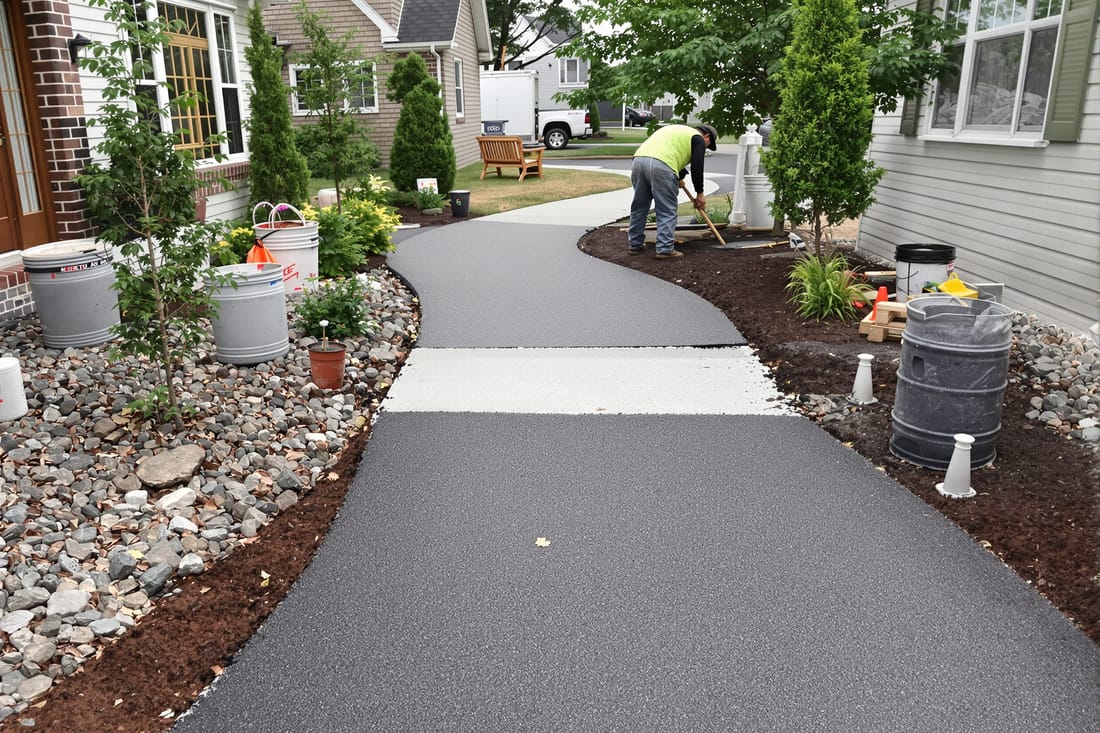
5. Forms and edges: For curved garden paths or tight transitions at patios, we may set temporary forms to define the edge. If you choose metal or concrete edging, we install it at this stage so the asphalt has a clean boundary and does not ravel into grass or mulch.
6. Asphalt placement: We bring in hot mix asphalt from a local Austin plant, typically using a finer aggregate mix for walkways so the surface is smoother to walk on. The mix is spread to a typical thickness of 2 to 3 inches, then compacted with a roller or plate compactor until the surface is tight and even.
7. Final rolling and cleanup: We check transitions at driveways, steps, and existing patios so there are no trip lips. Then we clean up soil, extra base material, and haul away debris. Most walkways are ready for light foot traffic within a few hours, although we usually recommend waiting until the next day for heavy use or moving equipment across the new path.
Design Options: Curves, Finishes, and Edging for Your Pathway
Asphalt walkway paving does not have to look like a mini parking lot. Precision Asphalt Austin offers design choices that make paths feel intentional and match your home.
Layout: Straight runs work well along driveways or tight side yards, while gentle curves look more natural through backyards and around landscaping beds. We keep curves broad enough for easy snow shoveling (for the rare cold snap) and lawn maintenance, and we avoid tight bends that can crack more easily over time.
Width and intersections: For most Austin homes, 3 to 4 feet wide is typical for simple access paths. In high traffic areas like school campuses, churches, or multifamily complexes, we may go 5 to 6 feet and widen areas where paths intersect so people can comfortably pass each other.
Surface texture: Walkway asphalt uses smaller aggregate than a street mix, which gives a smoother finish. If you are concerned about slipperiness in shaded areas, we can slightly adjust the mix and compaction technique to leave a bit more texture for traction while still comfortable under bare feet.
Edging choices: To keep the path edges clean and reduce future edging work, many Austin homeowners choose steel landscape edging, concrete curbs, or brick borders. Edging helps keep mulch, decomposed granite, and turf from spilling onto the asphalt, which reduces maintenance and extends the walkway life.
Color and accents: Traditional black asphalt looks good against most Austin limestone and brick homes. If you want a lighter or more decorative look, we can discuss sealcoat tints or combining asphalt paths with small sections of pavers at entry landings or step areas. These details give you a custom look without the cost of full paver installation.
Costs, Lifespan, and Common Austin Walkway Issues
Homeowners often ask what drives the cost of asphalt walkway paving. Precision Asphalt Austin looks at five main factors: length and width, thickness, site access, base work, and edging or extras.
Length and width: A narrow 40 foot front walk is a smaller project than a 200 foot pathway that loops around a backyard. Because asphalt is delivered by the ton, larger projects use more material and more labor, although the cost per square foot typically improves a bit on bigger jobs.
Thickness and base: If your walkway will only see foot traffic, 2 inches of asphalt over a modest base may be enough. If you plan to roll heavy carts, mowers, or occasional vehicles across it, we will recommend a thicker base and asphalt layer. Clay soils and areas with drainage issues also benefit from upgraded base work, which adds some cost but prevents the common Austin issue of uneven settling.
Site access: Tight gates, steep slopes, or obstacles can limit how close we can get machinery to the work area. In older central neighborhoods where everything is fenced and parking is tight, we may need smaller equipment or more handwork, which can affect the final price.
Common problems we solve in Austin walkways include tree root heaving, water pooling next to foundations, and crumbling edges. For tree issues, we sometimes adjust the path alignment, install root barriers where appropriate, or select a thicker base to bridge over minor root areas. For drainage, we regrade the subgrade, add gentle cross slopes, and sometimes incorporate small swales or drains so water moves to safe locations instead of across your new path.
With proper base preparation and occasional sealing, an asphalt walkway in Austin can last 15 to 25 years or more. We recommend resealing every few years for high sun exposure areas and watching for early signs of edge cracking so we can patch before small issues spread.
What to Expect When You Hire Precision Asphalt Austin
We aim to make your asphalt walkway paving project straightforward and predictable from the first call.
On site visit and estimate: A Precision Asphalt Austin team member walks your property with you, asks how you use your yard, and checks slopes, soil, and existing hardscapes. We talk openly about options, from a basic functional path to a more finished design with edging and transitions. You receive a written estimate that breaks out important items like base depth, asphalt thickness, and any drainage work.
Scheduling and preparation: Once you approve the plan, we schedule the work around Austin weather patterns. Summer heat can be ideal for compaction, but we avoid paving during heavy rain forecasts. We let you know if any landscaping needs to be trimmed back or if vehicles need to be moved before crews arrive.
Construction day: Our crew protects nearby surfaces, removes sod and soil in the walkway footprint, and builds the base and asphalt as agreed. We keep noise and disruption to a minimum and check in with you before we finalize slopes around door thresholds, steps, and gate openings.
Aftercare and maintenance tips: Before we leave, we explain when you can walk on the new surface, where to avoid placing heavy items for the first few days, and how to keep edges from breaking down. For example, we may suggest adding a narrow strip of gravel or mulch along one or both sides to help with drainage and mowing.
For homeowners, HOA boards, and property managers across Austin, our goal is a walkway that feels safe, looks clean, and holds up to daily Texas use. When you are ready to talk about a new path or replacing a cracked concrete walk with asphalt, Precision Asphalt Austin is ready to walk the site with you and map out the right solution.