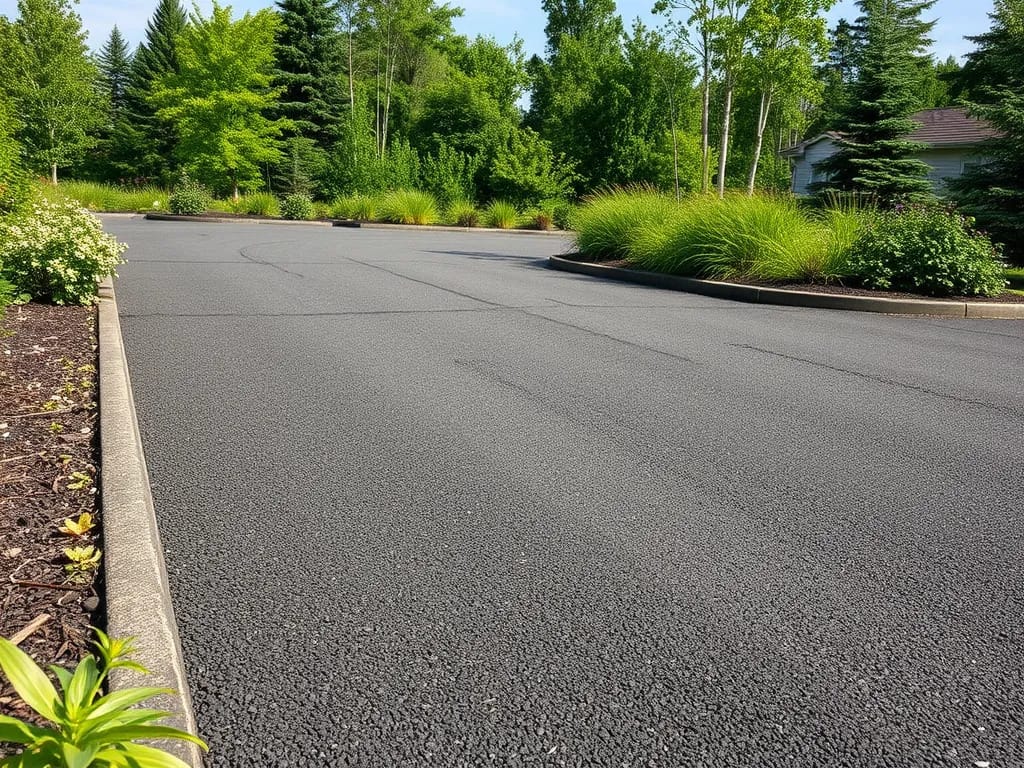
Home › Asphalt Pathways, Sidewalks, and Trails
Precision Asphalt Austin constructs asphalt pathway paving in Austin, TX for parks, campuses, and communities. We build smooth sidewalks, multi use trails, and pedestrian paths that are safe and accessible. Our designs account for drainage, cross slopes, and long term durability under foot and bike traffic.
Precision Asphalt Austin provides professional asphalt pathway paving throughout Austin, TX, Texas and the surrounding area. Our licensed, insured crew delivers safe, clean, on-time work with a free estimate before anything begins. Call (737) 530-7711 or request your free quote.
Asphalt Pathways, Sidewalks, and Trails in Austin, TX
Asphalt pathways, sidewalks, and multi use trails need to stand up to Austin heat, clay soils, and sudden downpours. At Precision Asphalt Austin, we design and build paths that hold their shape through all of it, from neighborhood walking routes to park trails and commercial sidewalk systems.
When we meet you on site, we walk the full route with you first. We note any low spots that collect water, tree roots that might cause future cracking, steep grades that could be slippery when wet, and tie in points at driveways, parking lots, or existing sidewalks. For park projects and HOA paths, we also look at how emergency and maintenance vehicles might need to access the route so the pavement can be built to handle that when necessary.
We work throughout Austin and the surrounding area, so we understand how Blackland Prairie clay and rocky Hill Country soils each affect pathway performance. In some east Austin locations, we focus heavily on subgrade moisture control so the path does not heave after storms. In hillier west Austin neighborhoods, we pay more attention to slope, cross fall, and transitions so pedestrians, bikes, and strollers have a smooth and safe surface.
How We Build Long Lasting Asphalt Pathways
Quality pathway paving starts below the surface. After layout and marking utilities, our crew clears vegetation and topsoil along the route, then proof rolls the area with a roller or loaded truck. Soft or pumping spots are dug out and replaced with compacted base material so those locations do not later turn into dips and cracks.
We typically install 4 to 8 inches of crushed limestone base for pedestrian and light cart use, compacted in thin lifts with vibratory rollers or plate compactors in tight areas. For shared use trails that may see service vehicles or golf carts, we may recommend a thicker base course and heavier compaction to handle the extra load. Getting this step right is the main difference between a path that lasts 5 years and one that lasts 15 or more.
Asphalt thickness is tailored to use. A typical neighborhood walking path might receive 2 to 2.5 inches of hot mix asphalt in two lifts. Community trails that expect maintenance trucks or utility carts may receive 3 inches or more. Each lift is spread, checked with a straightedge, and compacted while the mix is still at the correct temperature. Corners and edges are hand worked so there are no thin, weak spots that crumble after one hot summer.
Design Options: Widths, Edges, and Finishes
Asphalt pathways and sidewalks are more flexible than concrete when it comes to curves, grades, and integration with the landscape. Precision Asphalt Austin can follow a natural tree line, bend around playgrounds, or create gentle S curves that slow bikes near crossings.
Width is usually driven by use and code. A simple residential walking path might be 4 feet wide. Most HOA and park walking trails land between 6 and 8 feet. Multi use trails that accommodate bikes and joggers together often need 8 to 10 feet. We help you balance comfort and budget so the paved area is wide enough without overspending on unnecessary square footage.
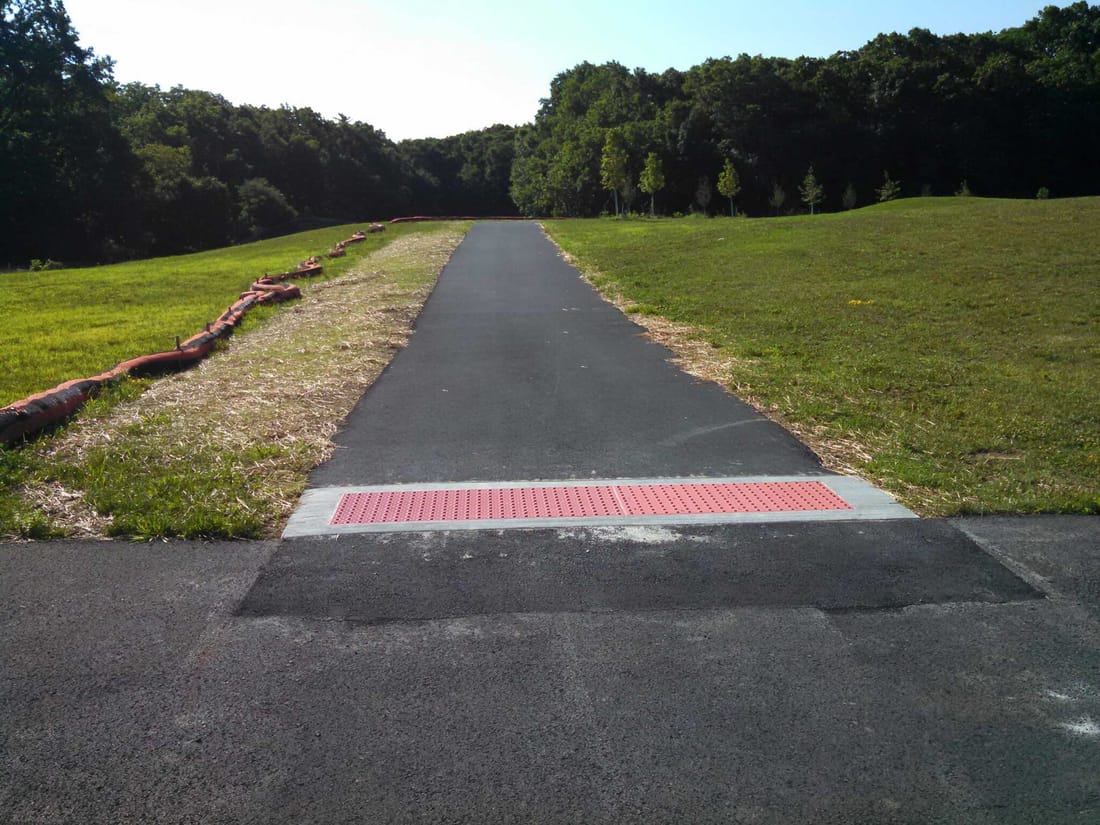
Edge treatments matter for both safety and appearance. In many Austin installations we compact a slight shoulder of crushed rock along the sides so the asphalt edge is supported and users have a place to step off. In higher end projects or steep areas we may install concrete or steel edging to control erosion and keep mulch or gravel from creeping onto the path. For ADA sensitive areas we use tighter grade controls and fine grading so transitions at driveways, ramps, and curb cuts stay within tolerance and create a smoother experience for wheelchairs and strollers.
Drainage, Tree Roots, and Other Local Challenges
Austin weather is hard on pavement. Long dry spells shrink our expansive clays, then heavy storms swell them back up. If drainage is not planned correctly, even a well built path will develop dips and cracks. During design, we set a consistent cross slope (typically around 2 percent) so water sheds off the surface quickly instead of ponding. In low lying sections we may add swales, French drains, or small culverts to move water away from the path.
Tree roots are another big concern, especially in older central Austin neighborhoods. Instead of cutting major roots right at the trunk, we adjust the path alignment where possible or add extra base thickness and root barrier fabric. In some cases we narrow the path slightly near large trees to reduce root damage. Our goal is to protect both your pavement and your mature shade trees.
For slopes, we evaluate whether the planned grade is comfortable for walking and meets accessibility needs where applicable. On steeper segments we may roughen the final roll just slightly to add micro texture for traction, especially in shaded spots that stay damp after a storm. We also talk through handrail or lighting considerations with your engineer or landscape architect if the project requires them.
What Drives Cost for Asphalt Pathway Paving
Clients often ask why two pathways that look similar on a map can have very different prices. The main cost drivers are access, base requirements, thickness, and drainage details. A straight, easily accessed path behind a new building is far cheaper to build than a winding trail through a wooded greenbelt that needs handwork, small equipment, and debris hauling.
Site prep is another major factor. Clearing brush, removing old concrete or asphalt, grinding stumps, and correcting poor soils all add to the budget but are essential if you want the new pavement to last. In parts of Austin with soft or expansive soils we sometimes need to undercut and bring in additional base material. We explain these options with clear line item estimates so you can see where every dollar goes.
Material choices also affect cost. Heavier duty mix designs, thicker asphalt, and geotextile fabrics under the base all raise the price but can be worthwhile for HOA greenbelts, school campuses, or commercial campuses that require long term durability. Precision Asphalt Austin walks you through good, better, and best options so you can match the pathway design to how it will really be used.
How to Work With Precision Asphalt Austin on Your Project
A successful pathway or sidewalk project in Austin starts with a clear plan. When you contact Precision Asphalt Austin, we begin with questions about how the path will be used, who will maintain it, and what issues you have seen on nearby pavements. We then schedule a site visit, take measurements, and note obstacles, drainage patterns, and any ADA or city requirements that might apply.
Next we provide a written proposal that includes pathway layout notes, recommended base and asphalt thickness, drainage suggestions, and any optional upgrades such as root management, edging, or sealcoating. For larger HOA, municipal, or school projects we can coordinate with your engineer or landscape architect, attend site walks, and phase the work so access to buildings and amenities is maintained.
During construction, we keep noise, dust, and closures as manageable as possible. For trails in active parks or neighborhoods we set up clear detours and signage so regular users know what to expect. When paving is complete, we give you simple maintenance guidance, such as how long to keep vehicles off certain sections, when to schedule the first sealcoat, and what early signs of drainage or base issues to watch for. Our goal is for your new asphalt pathways, sidewalks, and trails to look good on day one and still perform well long after the first Austin summer they face.