Home › Asphalt Milling and Reclamation
Precision Asphalt Austin provides asphalt milling in Austin, TX to remove worn surfaces, correct profiles, and prepare for overlays. We also offer full depth reclamation to recycle existing pavement and base into a new stabilized layer. Milling and reclamation are efficient ways to restore roads and lots while reducing waste.
Precision Asphalt Austin provides professional asphalt milling throughout Austin, TX, Texas and the surrounding area. Our licensed, insured crew delivers safe, clean, on-time work with a free estimate before anything begins. Call (737) 530-7711 or request your free quote.
Asphalt Milling in Austin: When It Makes Sense and When It Does Not
Asphalt milling is a cost-effective way to fix worn or uneven pavement without tearing everything out and starting over. In Austin, property owners usually look at milling when a surface is cracked, rutted, or has drainage issues, but the base underneath is still solid. Precision Asphalt Austin evaluates the structure of your pavement before recommending milling so you are not paying for full-depth replacement you do not need.
On commercial lots in Austin, we typically mill when there are repeated overlay layers that have raised the surface too high at curbs, door thresholds, and ADA ramps. The same problem is common in older neighborhoods around North Loop, Windsor Park, and central Austin, where driveways and small parking lots have been resurfaced several times. Milling lets us remove a controlled thickness of asphalt so finished grades match existing concrete, gates, and garage slabs.
We usually recommend milling instead of basic overlay if there is top-layer cracking, minor rutting from delivery trucks, shallow potholes, or standing water after storms. If we find deep structural failures, pumping subgrade, or major base movement, we will explain why full reconstruction or reclamation is a better investment. The goal is to match the repair method to the real condition of your pavement, not to sell the biggest job.
Because Central Texas soil can shift, we also check for edge failures where asphalt meets landscape or older concrete. In many Austin subdivisions built in the 80s and 90s, drive lanes and small HOA lots have decent base but failing top courses. Milling and resurfacing those areas extends life ten to fifteen years at a lower cost than rebuilding from scratch.
How Asphalt Milling Actually Works on Your Property
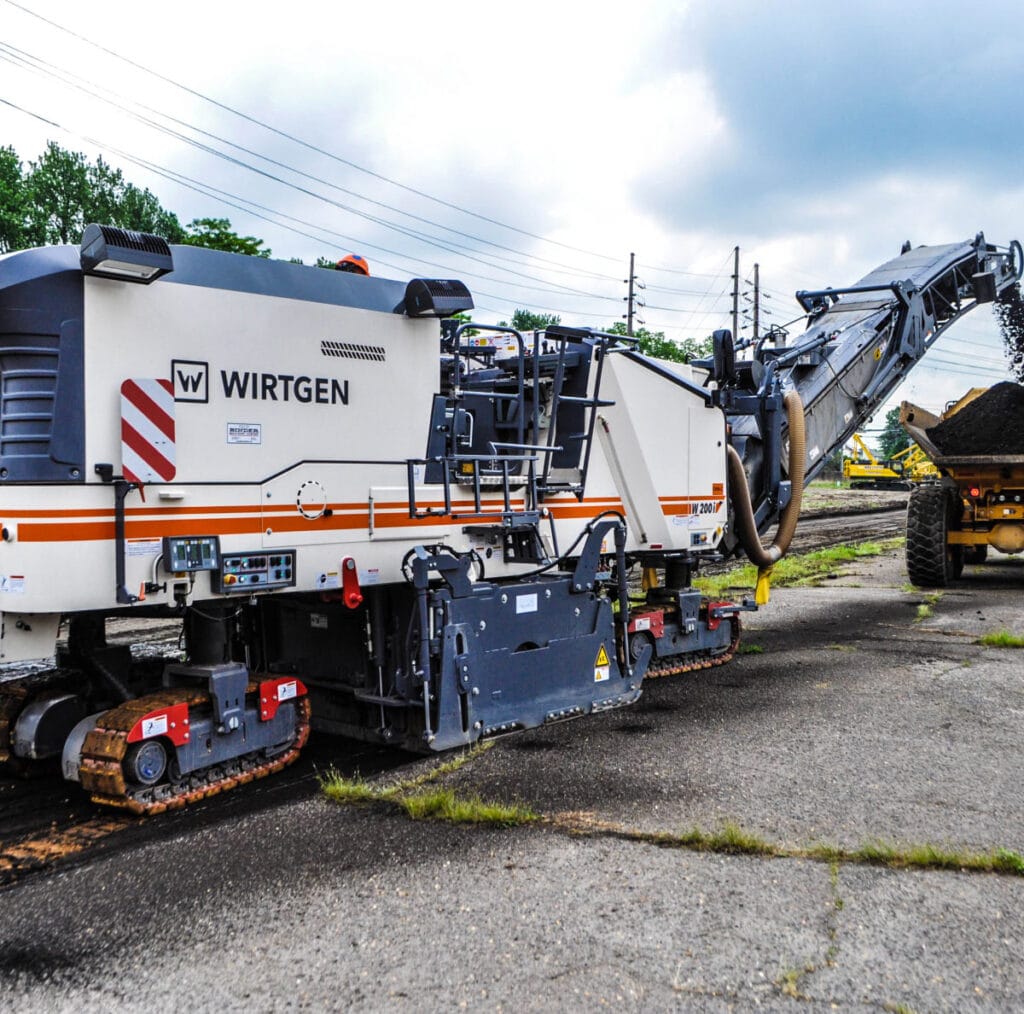
Milling uses a specialized machine (a cold planer) that grinds and removes the top layer of asphalt with a rotating drum fitted with carbide teeth. At Precision Asphalt Austin, we select drum size and tooth pattern based on the job. Smaller machines work well in tight Austin sites like alley access, duplex driveways, and small office lots. Larger mills are used for big commercial centers and long private drives on the outskirts.
The first step is layout and grade review. We walk the site, check existing elevations at entrances, drains, and transitions to city streets, then decide how many inches to remove. Typical milling in Austin parking lots is 1 to 2 inches, but we sometimes go deeper in rutted truck lanes or at dumpster pads where heavy loading occurs.
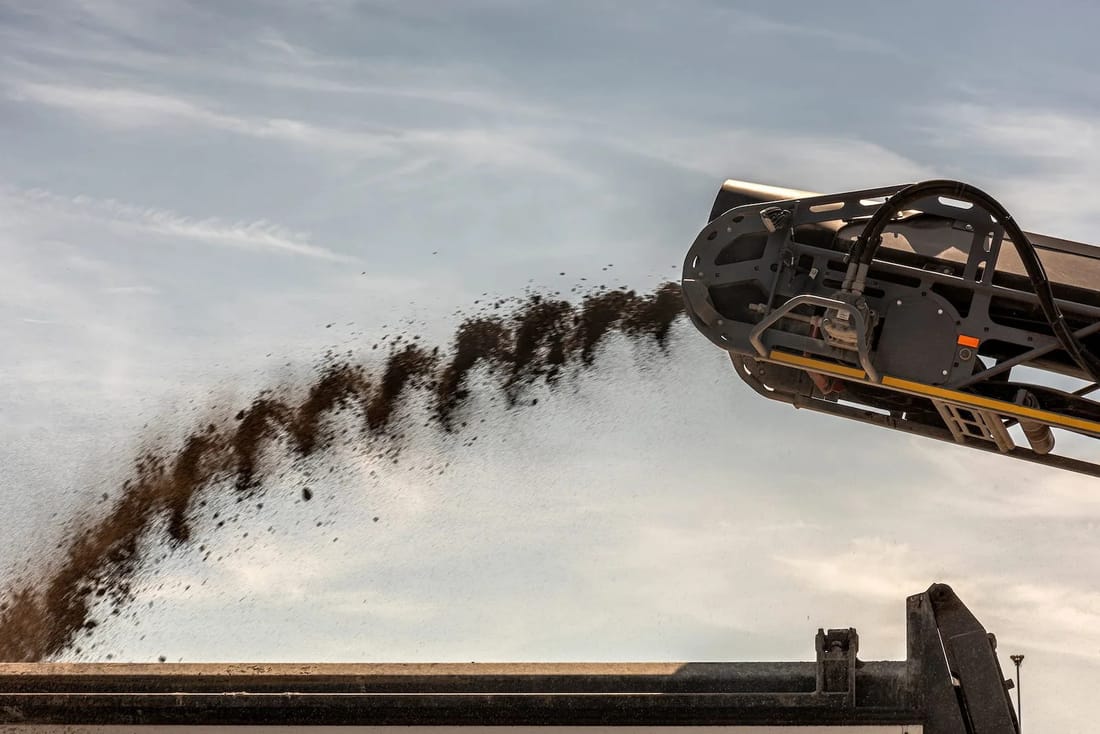
On milling day, traffic control comes first. For retail centers or churches near busy corridors like Burnet Road or South Lamar, we often phase the work so part of the lot stays open. We set cones and signage, then bring in the mill and haul trucks. As the machine grinds, a conveyor loads reclaimed asphalt millings directly into trucks so the area stays relatively clean and safe.
We keep a close eye on texture and depth as we go. The goal is to reach solid, stable asphalt below the cracked layer without cutting into the base unless we are planning reclamation. Any soft spots, pumping areas, or hidden failures are marked for base repair rather than simply paved over. This is where a no-nonsense approach matters. If the foundation is bad, we fix it before installing your new surface.
After milling, we sweep and blow the surface thoroughly. Clean, dust-free material is critical so the new asphalt bonds properly. Only after that do we tack coat and pave the new overlay, adjusting mix and compaction to handle the specific traffic your property sees.
Asphalt Reclamation: When Milling Alone Is Not Enough
Asphalt reclamation is a deeper process that recycles your existing asphalt and base into a new stabilized foundation. Instead of just removing the surface, we grind the asphalt and a controlled thickness of base material together, then regrade and compact it to create a new structural layer. In Austin, reclamation is a smart choice when the pavement has widespread alligator cracking, severe rutting, or multiple patchwork repairs, especially in older industrial areas or heavily used private roads.
Precision Asphalt Austin typically recommends full-depth reclamation for older lots that were never built to handle current traffic loads, such as older warehouse districts, mechanic shops, and large church lots that now host frequent events. Many of these properties have thin asphalt over weak base. Reclamation lets us reuse what is there, add stabilizing agents if needed (cement or lime in certain soils), and build a new platform without hauling everything away.
The process starts by pulverizing the existing asphalt and a set depth of base with a reclaimer. We usually work in the 6 to 10 inch range, depending on soil conditions and traffic demands. Then we blend the material evenly, sometimes injecting water or stabilizers, and shape it with motor graders to restore proper crown and slope for drainage. Finally, we compact with heavy rollers until density readings confirm a strong, uniform base.
Once the reclaimed layer passes inspection, we let it cure as required, then place new asphalt on top, typically in one or two lifts. The end result looks like new construction, but with significant savings on material hauling and disposal. For rural or long private roads outside city limits, we can also leave reclaimed material as a finished base course if the owner wants a compacted aggregate surface instead of full asphalt paving.
This method is not right for every site, particularly where utilities are shallow or where grades must match precise existing conditions, like some tight urban infill lots. In those cases, we walk you through the pros and cons and may suggest a combination of limited reclamation, base repairs, and milling to get to a reliable solution.
Local Conditions in Austin That Affect Milling and Reclamation
Central Texas climate and soils affect how asphalt milling and reclamation should be done. Austin sees wide temperature swings, intense summer heat, and heavy downpours, which punish surfaces that do not drain well. Precision Asphalt Austin designs milling and reclamation projects to manage these local realities, not just to make the pavement look fresh on day one.
Blackland clay and expansive soils in and around Austin are prone to movement when moisture changes. If we mill and overlay without addressing soft base, you can see new cracks telegraph back through within a few seasons. This is why we pay attention to spots like shaded areas that stay damp, low spots near landscape beds, and locations that collect runoff from adjacent roofs or hillsides. Those are often candidates for deeper base repair or reclamation instead of simple milling.
Older commercial properties near central Austin often have outdated drainage, mismatched slopes, or asphalt that sits above existing concrete. When we mill, we can carefully lower surfaces so water flows to inlets instead of doorways or neighboring property lines. If ponding has been a problem near handicap ramps or main entrances, we measure and adjust grades during the milling and paving phases so the fix is permanent.
For HOAs and multi-family communities, particularly in South Austin and the suburbs, the mix of passenger cars, delivery trucks, and trash trucks means traffic loading varies across the property. We might recommend standard milling and overlay in general parking areas, but deeper reclamation or thicker asphalt at dumpster pads, turn radii, and fire lanes. Doing the same thing everywhere may be cheaper in the short term, but it often leads to repeated failures in high-stress zones.
Austin also has permitting and coordination needs when pavement connects to a city street. If milling or reclamation occurs near public right of way, we coordinate tie-ins so there are no abrupt changes in height and so water continues to drain correctly into city systems. This helps avoid future conflicts with inspectors and keeps transitions safe for drivers and pedestrians.
Costs, Options, and How We Plan Your Project
The cost of asphalt milling and reclamation in Austin depends on a few key factors: total square footage, depth of milling or reclamation, condition of the base, ease of site access, and traffic control needs. Precision Asphalt Austin walks the site with you and explains what drives your specific estimate so you see where each dollar is going.
For straightforward mill and overlay projects, pricing is largely controlled by area, milling depth, and asphalt thickness. Milling 1 inch over a small, open lot with simple access will cost less per square foot than deep milling a heavily cracked surface surrounded by tight curbs and landscaping. If we find localized base failures that require undercutting and new aggregate base, we break those out clearly in the proposal instead of burying them as surprise extras.
With reclamation, costs include the reclaimer operation, blending and grading, any stabilizing additives, and the new asphalt surface. Although reclamation is more involved than milling alone, it is often much more economical than a full remove-and-replace that requires trucking all existing material to the dump and importing all new base. For long driveways and private roads, we can show you the difference between leaving reclaimed material as a base only versus finishing with one or more asphalt lifts.
You also have material and design choices. For high-traffic commercial sites, we may recommend a heavier-duty asphalt mix at drive lanes, loading docks, and trash truck routes, and a lighter mix in standard stall areas. Where appearance matters, such as office parks or medical centers, we discuss future sealcoating schedules and striping plans so the pavement continues to look organized and professional.
Scheduling is another practical cost factor. Night or weekend work around busy Austin retail or medical facilities may slightly increase labor costs, but can prevent business interruption. We work with property managers and owners to phase milling, reclaiming, and paving so tenants, customers, and residents have clear access, and so you do not lose more operational time than necessary.
What to Expect When You Hire Precision Asphalt Austin
From the first visit, our approach is straightforward. We inspect your existing asphalt, probe base where needed, and discuss how long you plan to own or manage the property. That lets us decide whether a shorter-term fix with milling and overlay is reasonable, or whether reclamation or partial reconstruction is the smarter move. Precision Asphalt Austin explains each option in plain language, so you can make a decision based on use, timeline, and budget.
Before work starts, we provide a written plan that includes milling or reclamation areas, depths, any expected base repairs, and how we will manage traffic and access. For multi-tenant properties or HOAs, we can supply simple notices for you to send residents and tenants, explaining which sections will be closed and when. Clear communication up front avoids towing problems and schedule delays.
During the project, our crew lead stays on site, checks milling depth regularly, verifies reclaimed areas are compacting correctly, and keeps you updated if we find hidden conditions. If we encounter unexpected soft spots or old patches that mask deeper failures, we show you the problem and the options, instead of covering it up and hoping it holds.
After paving, we walk the job with you and look at joints, transitions, drains, and any critical locations like fire lanes, ADA areas, and steep entrances. We explain cure times, when you can open to light and then heavy traffic, and how to protect fresh asphalt from damage. For many Austin customers, that means coordinating with delivery services, dumpster companies, and landscapers who might drive on the surface before it is ready.
Finally, we talk about maintenance. While milling and reclamation reset the clock on your pavement, nothing is maintenance free. We outline realistic timelines for crack sealing, sealcoating, and restriping, based on Austin weather and your actual traffic. The goal is to get you a surface that performs the way you need, for as long as possible, without overpromising or overselling.