Home › Gravel-to-Asphalt Conversions
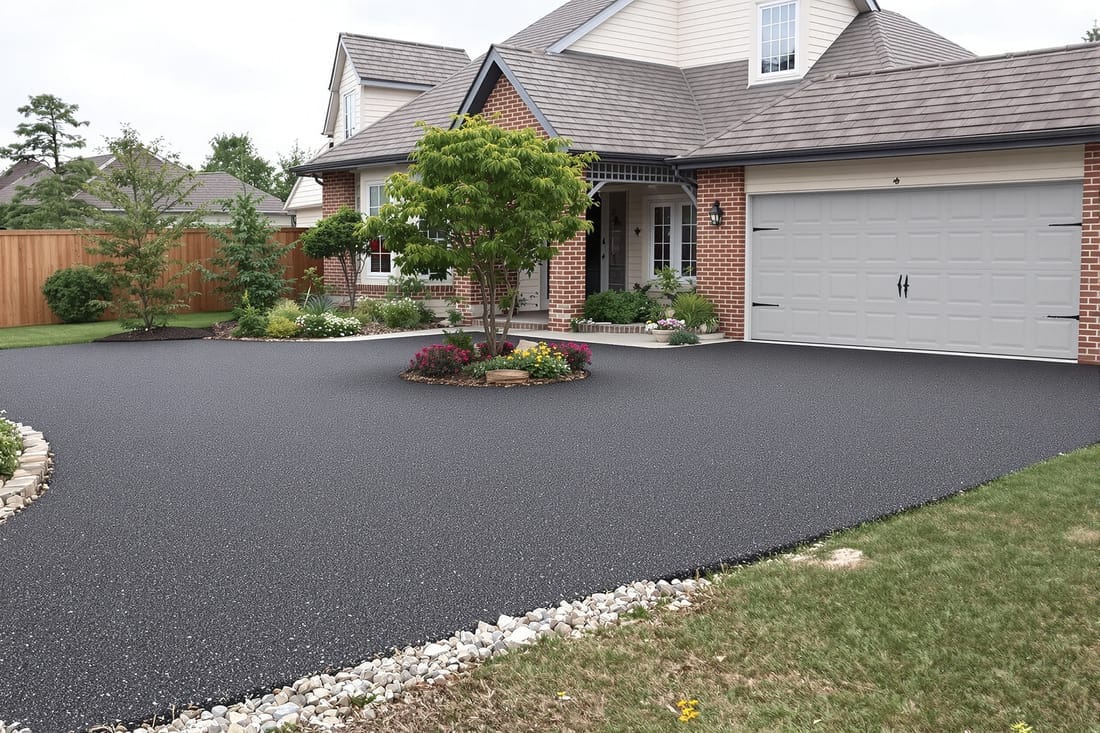
Precision Asphalt Austin handles gravel to asphalt driveway conversions in Austin, TX, transforming dusty, rutted drives into clean, smooth surfaces. We regrade, compact the base, and install quality asphalt tailored to your traffic and drainage. Enjoy a cleaner, easier to maintain driveway that adds curb appeal and convenience.
Precision Asphalt Austin provides professional gravel to asphalt driveway throughout Austin, TX, Texas and the surrounding area. Our licensed, insured crew delivers safe, clean, on-time work with a free estimate before anything begins. Call (737) 530-7711 or request your free quote.
Turn Your Gravel Driveway Into a Durable Asphalt Surface
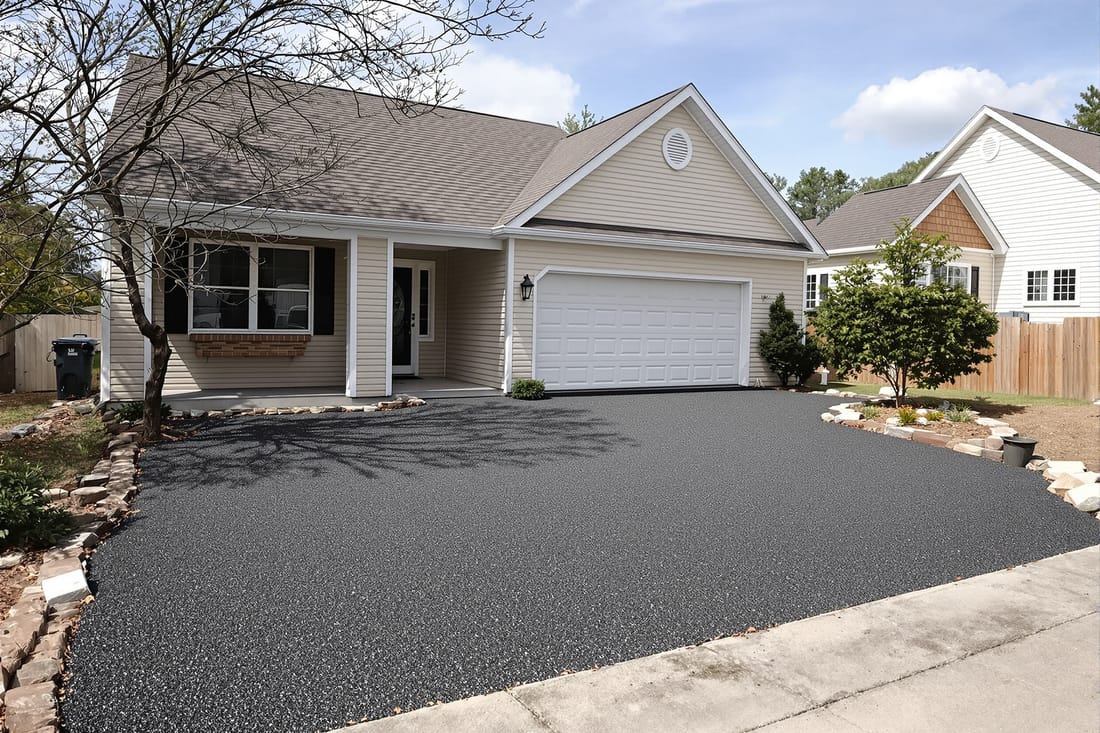
If you are tired of washouts, dust, and loose rock, a gravel to asphalt driveway conversion can make daily life a lot easier. At Precision Asphalt Austin, we focus on conversions in and around Austin, TX, so we design every driveway to stand up to Central Texas heat, sudden downpours, and sloped Hill Country terrain.
A properly built asphalt driveway is quieter to drive on, cleaner around your garage and entry, and far easier to maintain than gravel. It also gives your property a more finished look that can help with curb appeal and, in some neighborhoods, compliance with HOA standards. We pay close attention to your specific site conditions, such as drainage patterns, shade from trees, and how you actually use the driveway (frequent trailer use, work trucks, or just daily cars), then build the pavement structure to match.
Because we are local, we understand Travis County soil conditions, from the heavy clay pockets in East Austin to rocky slopes closer to Lake Travis. That local knowledge helps us decide how much base work is truly needed when converting from gravel to asphalt, so your new driveway does not rut, crack, or ravel after the first big storm.
What We Look At During Your Gravel-to-Asphalt Evaluation
Before we quote any gravel to asphalt driveway project, Precision Asphalt Austin does an on site evaluation. This visit is not just a quick walk around with a tape measure. We check several specific items that directly affect cost and performance.
First, we probe the existing gravel depth and the underlying soil. Many Austin area gravel driveways only have 1 to 2 inches of rock sitting on expansive clay. For asphalt, we usually need at least 4 inches of compacted base, and sometimes more for heavy vehicles. If your existing gravel is clean and deep enough, we can regrade and reuse some of it as part of the base, which can save money.
Next, we look carefully at drainage. In Austin, short, intense storms can push water across driveways with a lot of force. We check for low spots that hold water, ruts where rain has cut channels through the gravel, and areas that might cause water to flow toward your house or garage. We design subtle slopes and sometimes add shallow swales or culverts so the new asphalt surface sheds water correctly.
We also note access and constraints, such as narrow gates, low power lines, or busy streets like Manchaca Road or FM 2222. These affect how we bring in equipment and trucks and can change how we phase the work. If you have an HOA in places like Circle C or Steiner Ranch, we can help you understand what they are likely to require, such as edge treatments, colors, and driveway width.
Step-by-Step: How a Gravel Driveway Becomes Asphalt
Once you decide to move forward, our crew follows a clear process so your gravel to asphalt driveway conversion is built correctly from the ground up.
1. Site preparation and layout. We mark the driveway edges, confirm the finished elevation at the street, garage, or carport, and locate any utilities. If you are in the city of Austin and near a right of way or drainage easement, we work within those boundaries and, if needed, coordinate with you on permits.
2. Stripping and reshaping. If your current gravel is thin or contaminated with soil and organic matter, we strip it or blade it aside. We then cut high spots and fill low spots to create a stable, uniform subgrade. In areas with soft or pumping clay, we may undercut and replace a few inches of soil with select fill or road base.
3. Base installation and compaction. We install a road base material, typically a limestone or crushed concrete blend that performs well in Central Texas. It is placed in layers and compacted with a vibratory roller to reach the density needed to support the asphalt. This is where many cheap jobs fail, so we spend the time to get this right.
4. Fine grading and proof rolling. Once the base is close to final shape, we fine grade it to set the slope and cross fall so water runs off the driveway, not into your garage or yard. Then we proof roll it with a heavy roller. If the base flexes or shows soft spots, we correct those before paving.
5. Asphalt paving. We typically install a hot mix asphalt surface in one or two lifts, depending on the traffic the driveway will see. The mix is delivered from a local Austin plant, placed by paver or hand in tight areas, then compacted with steel drum rollers. Edges are compacted and shaped so they do not ravel, and transitions at the street or existing concrete are smoothed out for a clean drive on and off.
6. Clean up and walkthrough. We finish by sweeping, removing loose rock, and checking all tie in points. We walk the driveway with you, explain any curing considerations, and answer questions about maintenance, sealing, and heavy vehicle use.
Design Options for Your New Asphalt Driveway
A gravel to asphalt driveway conversion is a chance to improve more than just the surface. Precision Asphalt Austin can help you refine the layout and look so it fits how you actually use your property.
Width and layout are usually the first considerations. For most Austin homes, 9 to 10 feet wide is the minimum for a single car driveway, but we often recommend 11 to 12 feet if you regularly back trailers or have larger trucks. In areas with tight turns or steep slopes, such as in the hills around Westlake or off RM 620, we may suggest slight widenings on curves for safer maneuvering.
You can also adjust the shape. Many gravel drives wander because they followed old tire tracks. When we convert to asphalt, we can straighten approaches, add parking pads, or create a full turnaround so you are not backing onto busy streets. We can install small flares near the garage for easier entry and exit.
Edge treatments matter both for appearance and function. Some clients prefer a basic compacted edge where the asphalt tapers into the soil. Others, especially in HOA neighborhoods, choose concrete ribbon edges, stone borders, or a thickened asphalt shoulder that resists edge cracking if you occasionally drive off the side.
We will also discuss surface options. While standard black hot mix asphalt is most common, we can adjust thickness for heavier vehicles, add reinforced base in RV parking areas, or plan for a sealcoat after the first year to enhance appearance and slow aging under the Austin sun.
What Affects Cost When Converting Gravel to Asphalt
Homeowners often ask why driveway quotes can vary so much. The price of a gravel to asphalt driveway in Austin is driven by specific technical factors, not just square footage.
The most important cost factor is base work. If you already have a deep, compacted gravel section, we may only need to reshape and top it off, which is more economical. If the existing gravel is thin, mixed with dirt, or sitting on expansive clay, we may need to import several inches of new base. That raises cost but is critical for long term performance.
Length, width, and layout also matter. Long, straight driveways are faster to pave than short, winding ones with tight access. Steep slopes require more grading and sometimes special measures for traction and drainage. If we have to work around trees, roots, or rock ledges, excavation and base installation become more complex.
Material prices change with fuel costs and plant pricing in the Austin area. Because we purchase hot mix asphalt and base materials frequently, we stay current with local suppliers and can often suggest timing that avoids peak surcharges.
Finally, access and logistics affect labor. Narrow gates, shared driveways, or tight cul de sacs require smaller trucks and more handwork. In some city of Austin locations, we may need to manage traffic control near the street, which adds to the project setup.
We will always explain how each of these items applies to your specific driveway so you understand why the quote is what it is and where there may be options to adjust scope to fit your budget.
Common Problems and How We Prevent Them
Poorly planned gravel to asphalt driveway jobs tend to fail in the same predictable ways. At Precision Asphalt Austin, we plan and build to avoid those issues from the start.
Standing water is one of the biggest problems we see around Austin. If water pools on or beside the driveway, it can soften the base and lead to cracking and potholes. We use laser levels and experienced grading crews to create consistent slopes, and in problem areas we add swales or small drains so water has a defined path away from the pavement.
Another issue is edge failure, especially where vehicles drive off the sides or where the underlying soil is weak. To address this, we compact the edges carefully, sometimes widen the base layer beyond the finished asphalt, and recommend edge treatments where needed. In areas with frequent delivery trucks or boat trailers, we may also suggest thicker asphalt or reinforcing the base at tight corners.
Tree roots and expansive clay soils are common in Austin yards. Where big roots are present, we work with you to decide what can safely be cut or bridged. In clay areas, we may stabilize the subgrade with additional base thickness or, in severe cases, chemical stabilization so the asphalt is not riding directly on soil that swells and shrinks with moisture.
We also talk honestly about what to expect over time. In our climate, hairline surface cracks and color fading are normal as asphalt ages. We show you what normal wear looks like, recommend when to sealcoat, and explain how to spot small issues early so repairs stay simple and inexpensive.
What Austin Homeowners Should Know Before Hiring
Before you commit to a gravel to asphalt driveway project, there are a few local points that are worth understanding.
First, check for any HOA or neighborhood design rules. Many communities around Austin have standards for driveway materials, widths, and sometimes even color. Precision Asphalt Austin can provide a simple plan and description that you can send to your HOA for approval so there are no surprises.
Second, think about future use. If you may add an RV pad, boat parking, or a workshop in a few years, this is the time to plan the driveway alignment and base strength accordingly. It often costs very little to design for heavier loads while everything is already open and accessible.
Third, consider timing. Asphalt work is very weather dependent. In the Austin area, we generally avoid paving in soaking rain or on very cold mornings in the winter. Spring and fall are popular seasons, and schedules fill quickly. If you are trying to coordinate with a new home build, fencing, or landscaping, reach out early so we can integrate the driveway schedule with your other contractors.
Finally, choose a contractor that explains the process in plain language and is willing to walk the site with you. For a gravel to asphalt driveway, the most important work is invisible once the pavement is down. We welcome questions on base thickness, compaction, mix type, and drainage details, and we will put those specifics in writing so you know what you are getting from your investment.