Home › Private Road and Lane Paving
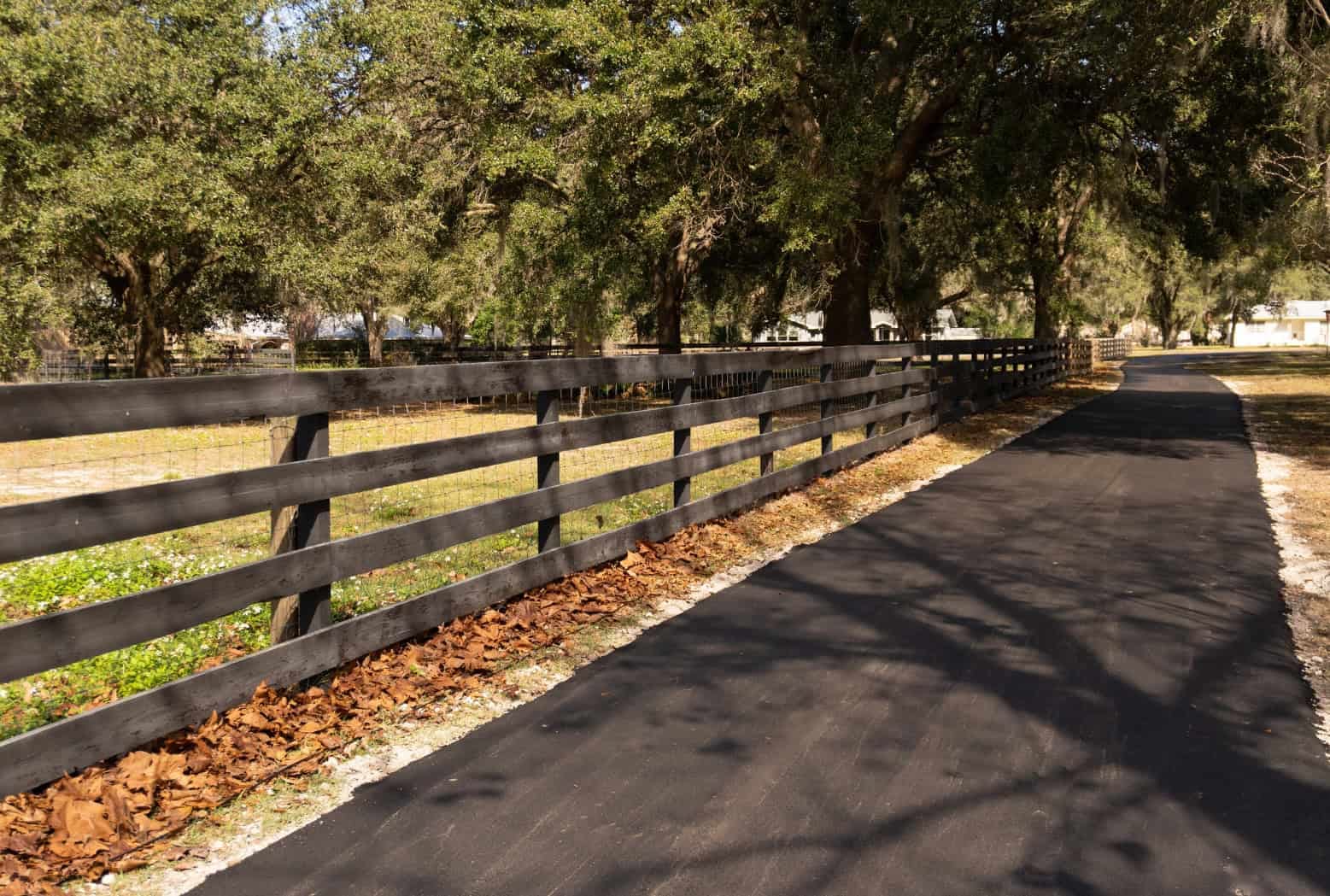
Precision Asphalt Austin provides private road paving in Austin, TX for long driveways, ranch roads, and shared access lanes. We construct strong bases, manage drainage, and install quality asphalt designed for repeated vehicle traffic. Improve drivability and property value with a smooth, durable private road or lane.
Precision Asphalt Austin provides professional private road paving throughout Austin, TX, Texas and the surrounding area. Our licensed, insured crew delivers safe, clean, on-time work with a free estimate before anything begins. Call (737) 530-7711 or request your free quote.
Private Road Paving in Austin That Actually Holds Up
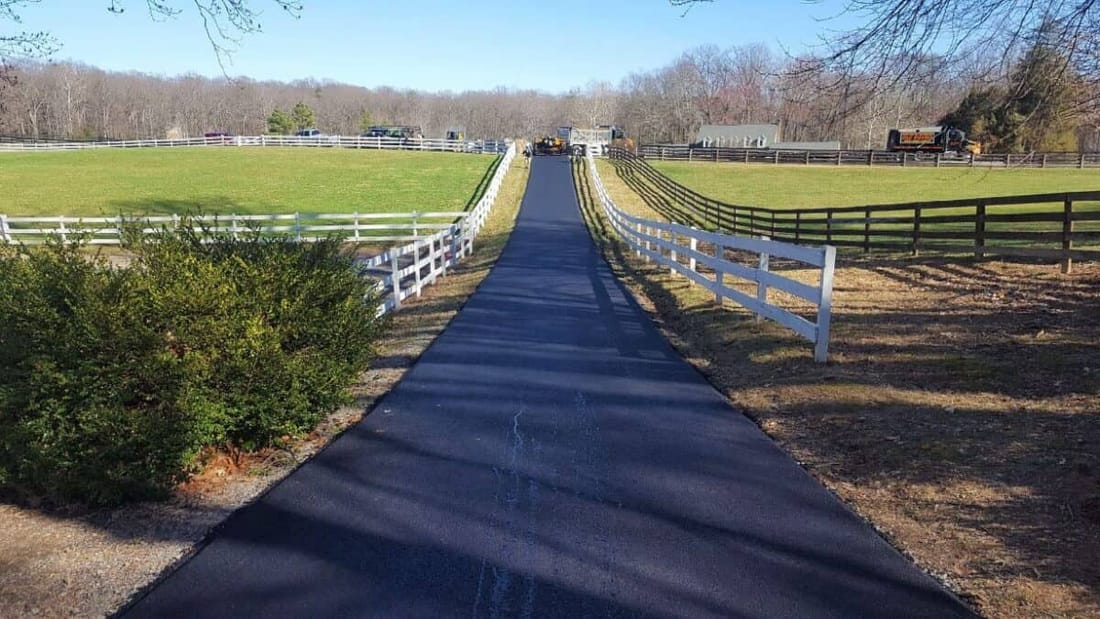
If you own land in or around Austin, a solid private road is not a luxury, it is what keeps vehicles, deliveries, and emergency services getting to you year round. At Precision Asphalt Austin, we focus on private road and lane paving that fits Central Texas soil, weather, and traffic, not a generic design pulled from somewhere up north.
Before we quote anything, we walk the full length of your existing road or planned route. We look at slope, drainage paths, soil type, tree roots, and how people really use the road. A narrow ranch lane that sees pickups and UTVs gets a different design than a shared driveway serving six townhomes or a steep hill down to Lake Travis. We measure soft spots, check for standing water after rains, and note tight turns where asphalt tends to shove and crack.
Because Austin has long hot summers, sudden heavy storms, and occasional freezes, we recommend designs that balance flexibility and strength. That usually means hot mix asphalt with a properly built base, asphalt thickness matched to your traffic, and thought-out water runoff so the road does not slowly wash away with every thunderstorm.
How We Build a Private Road or Lane, Step by Step
Good private road paving in Austin starts below the asphalt. The first step is clearing and rough grading. We remove brush, stumps, and unsuitable topsoil, then use graders and skid steers to shape the road so water sheds to the sides instead of pooling in the wheel paths.
Next is subgrade preparation. Central Texas soils can vary from caliche to expansive clay in just a few yards. We proof roll the area with a loaded truck or roller to find weak spots. Any pumping or flexing spots either get undercut and replaced with better material or stabilized with lime or cement, depending on the soil. Fixing these problems up front is cheaper than dealing with a failed road later.
Once the subgrade is stable, we install the base. For most private roads, this is a compacted layer of crushed limestone or flexible base. We bring it in, spread it with a motor grader, then compact it in multiple passes with a vibratory roller to reach proper density. On higher traffic or shared private lanes, we may recommend a thicker base or a two layer base system.
After the base is in shape, we tack coat it with an asphalt emulsion so the new asphalt bonds well. Then we place hot mix asphalt using a paver or, on tighter lanes, with careful mechanical placement and raking. Thickness usually ranges from 2 to 4 inches for private roads, depending on expected traffic and budget. We compact the asphalt while it is at the right temperature using steel drum rollers, and for smaller lanes, we may finish with a pneumatic tire roller to knead the mix and seal the surface.
We finish with edges and drainage details. On many ranch or long driveway projects, we recommend gently sloped shoulders, shallow ditches where needed, and inlets or culverts where water crosses the road. On shared residential lanes, we might add concrete aprons at tie-ins to public streets to reduce rutting and shoving.
Design Choices: Thickness, Mix Types, and Drainage for Austin Conditions
There is no single correct design for private road paving. Precision Asphalt Austin walks you through the trade-offs so you do not overbuild or underbuild your road.
Asphalt thickness and base depth are driven by three things: what vehicles will use the road, how often, and what is underneath. A private lane used mainly by passenger vehicles may do fine with 2 inches of hot mix over a 6 inch base. A long access road that regularly sees heavy delivery trucks, propane trucks, or construction traffic may need 3 to 4 inches of asphalt and up to 8 to 10 inches of base.
Mix selection matters too. For most Austin area private roads, we use a dense graded hot mix that handles Texas heat without raveling. On steeper hills, we may choose a mix with a slightly coarser surface for better tire grip when it is wet. For low speed ranch lanes with tight budgets, we sometimes discuss double chip seal over a solid base as an alternative, but we explain honestly how it compares in smoothness, dust, and long-term cost.
Drainage details are critical in Central Texas. Our storms tend to dump a lot of rain in a short time, so we design side slopes and ditches so water can leave the road quickly. In areas with creek crossings or low water crossings, we consider how high water might flow across the road and choose details that resist erosion, such as concrete aprons or riprap at outlets. For shared residential lanes, we look at how runoff will interact with neighboring properties and existing storm drains to avoid disputes later.
If you are in the hills west of Austin, we also think about the effect of shade. Shaded stretches stay wetter longer and can weaken edges, so we may increase base thickness, improve cross slope, or add more aggressive edge support where necessary.
What Affects Cost and How We Help You Control It
Private road paving costs are driven by length, width, base work, and access conditions, but there are smart ways to keep costs reasonable without cutting corners. During our site visit, Precision Asphalt Austin points out which parts of your plan add cost and which do not.
The largest cost driver is usually earthwork and base preparation. Long roads with poor access or steep grades require more machine time and more base material. If your existing roadbed has some structure already, we may be able to reclaim and regrade it instead of starting from scratch. In some cases, we can use the existing compacted caliche or gravel as part of the new base, then top it with new base and asphalt.
Width matters too. Every extra foot of pavement across the full length adds up in material and labor. For light traffic lanes, we may suggest a slightly narrower paved strip with stabilized shoulders instead of paving full width shoulders in asphalt, especially on rural properties. This keeps costs down while still giving you a safe driving surface.
Site access and mobilization are often overlooked. Remote tracts, tight urban infill lots, or sites with limited truck access may require smaller loads, more trips, or different machinery, which can raise the price. We plan delivery routes and staging areas so trucks can move efficiently and the hot mix arrives at proper temperature.
We give you itemized pricing that separates grading, base, asphalt, drainage structures, and any optional upgrades like extra thickness or sealcoat. That way, if you need to adjust the budget, you can see exactly what changes and how it affects long-term performance. Our goal is to help you invest where it matters, such as in fixing soft spots and drainage, instead of spending on cosmetic extras first.
Common Problems With Private Roads and How We Prevent Them
Many of the calls we get are from property owners tired of dealing with the same road problems every season: ruts after every rain, washboards on hills, potholes by the gate, and weeds growing through thin chip seal. Proper private road paving is about preventing these issues, not just smoothing them over.
Rutting and soft spots usually trace back to poor subgrade or base. We take the time to identify and correct weak soil before paving. If a section of the road crosses a low, damp area, we may install a thicker base, use a different base material, or add underdrain features to keep water from sitting underneath the asphalt.
Edge failures are common on narrow lanes where vehicles drive near the edge. To combat this, we often build up compacted shoulders flush with the asphalt, or slightly higher, so the pavement edge is supported. On roads that will see trailers or delivery trucks, we might widen only the curves to prevent large vehicles from breaking off pavement edges on tight turns.
Washboarding and loose gravel are typical of unpaved or poorly built gravel roads. When we convert these to asphalt, we address the root cause by reshaping the road, compacting the base in layers, and using proper asphalt compaction. This gives you a smoother ride and cuts down on dust and ongoing grading costs.
Because Austin does get occasional ice events and freezes, we pay attention to how water can enter and exit cracks. For private roads, we often recommend a simple maintenance plan: inspect in late winter, crack seal as needed, and consider a sealcoat every few years, especially on high sun, low shade stretches. When we finish a project, we walk you through realistic maintenance steps so your new private road or lane stays solid for many years instead of becoming a recurring headache.